Why Eco-Friendly Paper Cups Are Growing in Global Food Packaging
Why Eco-Friendly Paper Cups Are Growing in Global Food Packaging
For coffee shops, takeaway restaurants and beverage brands, packaging must protect the drink, support efficient service and present the brand clearly. Paper cups offer a practical way to meet these needs, while developments in materials and recovery systems are bringing greater attention to their environmental performance.
Paper-Based Packaging Meets Everyday Business Needs
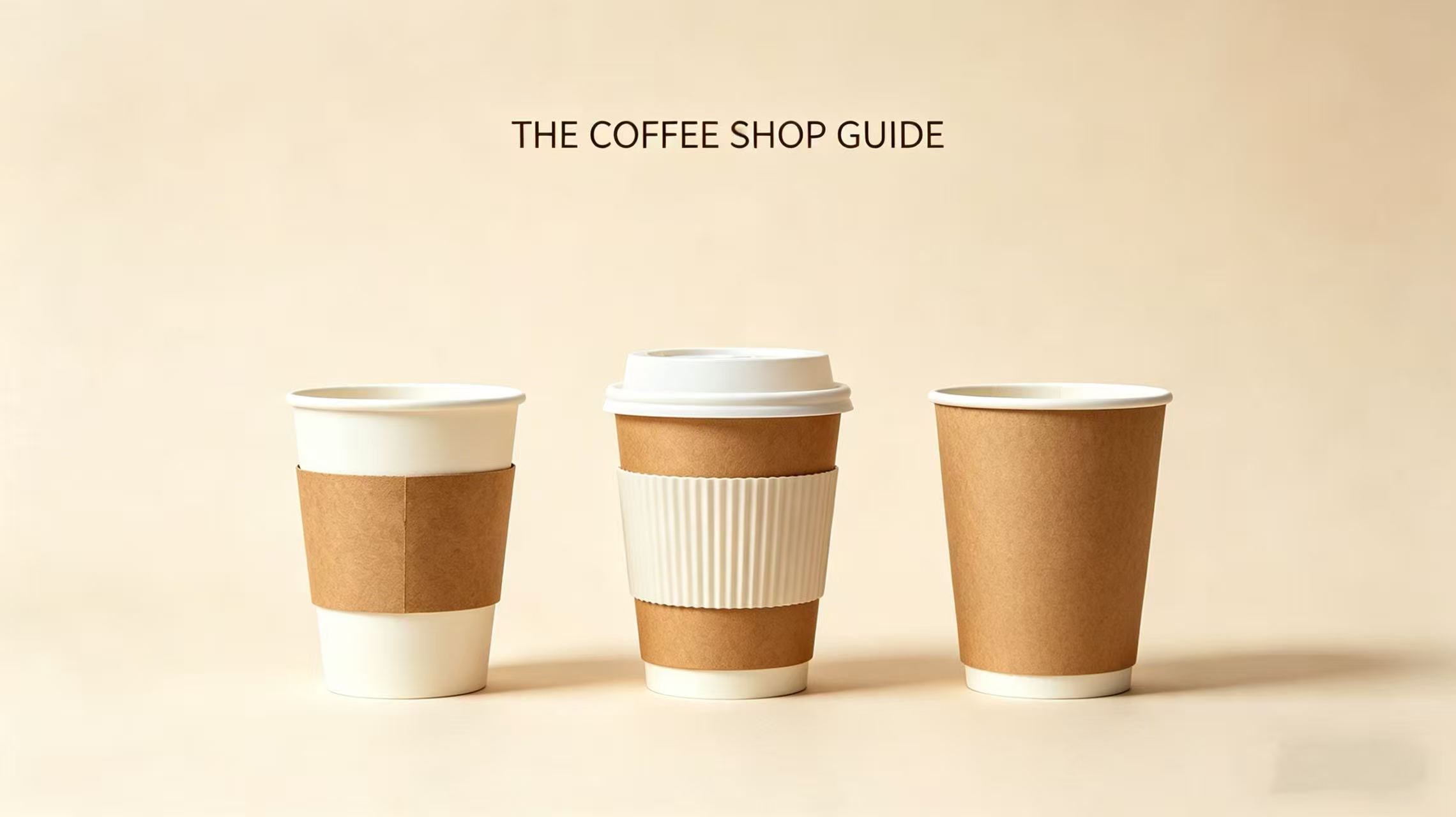
Paper cups serve a wide range of applications, from espresso and takeaway coffee to cold beverages. Different sizes and structures allow businesses to choose packaging around their menu and service conditions.
Single-wall cups offer a straightforward option, while double-wall and ripple-wall designs provide additional insulation for hot drinks. Choosing the appropriate structure helps businesses balance comfort, performance and cost.
Barrier Coatings Are Evolving
Paper cups need a barrier layer to hold liquids reliably. The choice of coating affects both product performance and how the cup can be treated after use.
Alongside conventional PE coatings, manufacturers are developing alternative barriers, including water-based coatings designed to improve compatibility with paper recycling processes. However, the recyclability of a finished cup depends on its complete construction and the facilities available to process it.
For buyers, this makes accurate material specifications and relevant testing more useful than a general “eco-friendly” label.
Recycling Access Is Expanding
Collection and processing infrastructure also influence the role of paper cups in food packaging. The Foodservice Packaging Institute has reported that paper cup recycling access now reaches 20% of the U.S. population, showing progress while leaving considerable room for further expansion.
Businesses should therefore check local acceptance before printing recycling instructions on their cups. Clear disposal guidance helps customers use the collection systems available to them.
Compostable Options Require Suitable Facilities
Certified compostable cups can be an option where a suitable collection service and an accepting industrial composting facility are available. Industrial compostability requires controlled conditions; it does not mean a cup will readily break down in a home compost bin or the natural environment.
Buyers considering these products should request certification covering the finished cup and confirm the intended disposal route.
Custom Printing Adds Commercial Value
Paper cups also provide space for logos, seasonal designs and product information. A well-designed cup can carry a consistent brand identity from the counter to the customer’s destination.
Environmental messages should be specific and supported. Stating the actual material or a verified certification gives customers clearer information than broad claims such as “100% green.”
Choosing the Right Paper Cup
Responsible purchasing combines practical performance with evidence about materials and disposal. Buyers should consider beverage temperature, serving time, lid fit, leak resistance, food-contact documentation and local waste collection options.
Judin Pack supplies single-wall, double-wall and ripple-wall paper cups, with custom printing options for foodservice and beverage businesses. By matching cup specifications to the application and destination market, brands can make better-informed packaging choices.
How Bulk Orders of Food-Grade Paper Packaging Help Businesses Slash Operating Costs
Related Article