Biodegradable vs. Compostable: Understanding the Terms in Food Packaging
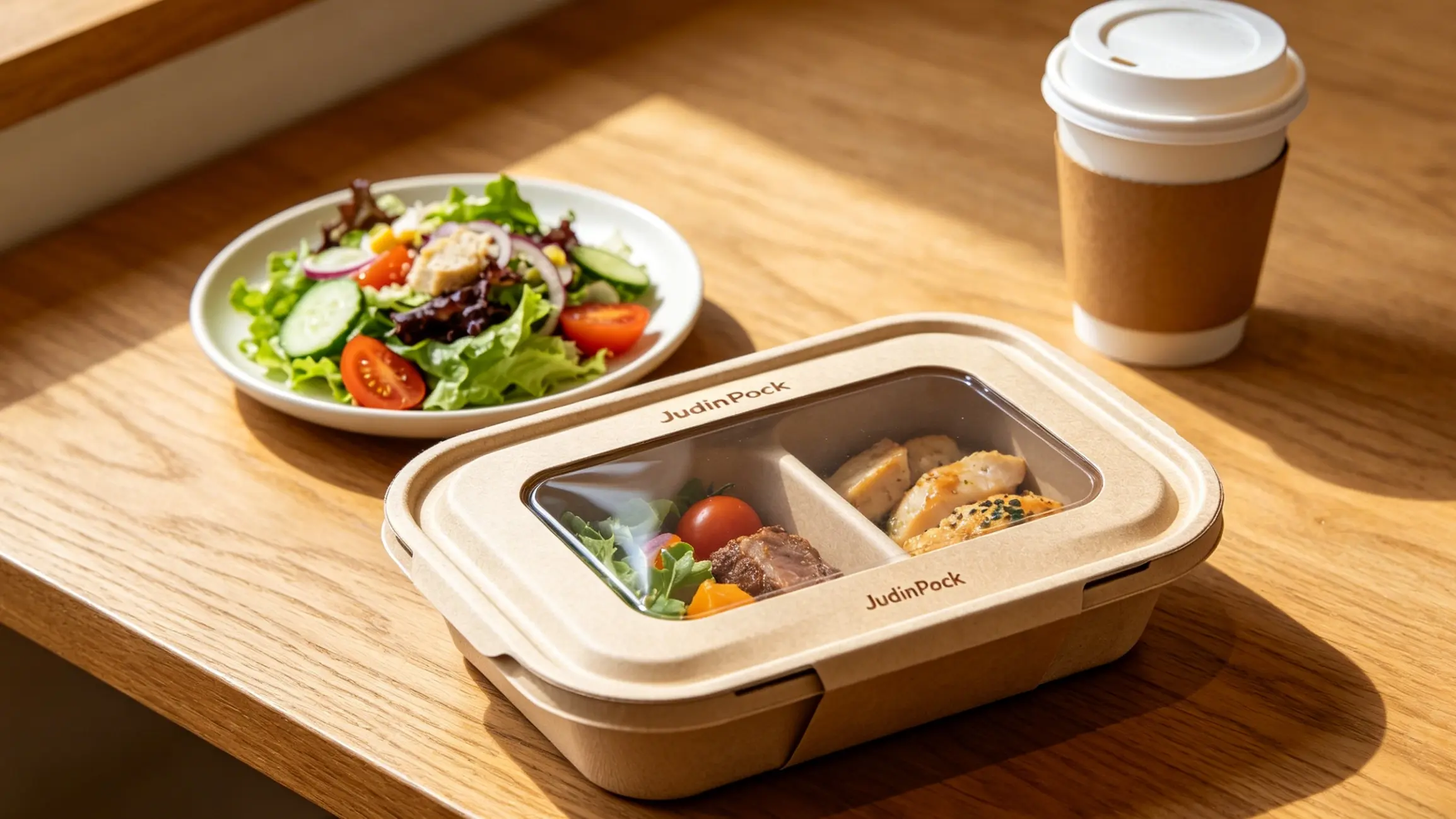
In the sustainable Food Packaging industry,biodegradable and compostable are two frequently confused yet fundamentally distinct terms. Understanding their differences is critical for brands, buyers, and consumers to make informed, eco-responsible choices. JudinPack, as a leading provider of eco-friendly food packaging solutions, offers certified biodegradable and compostable products that align with global standards.
Biodegradable
Refers to materials that break down into natural elements (CO₂, water, biomass) via microorganisms over time, with no strict timeline or residue requirements—it may take years to decompose and could leave microplastics.
Compostable
A stricter standard: it requires materials to fully decompose into non-toxic, nutrient-rich compost within a set time (≤180 days for industrial compost) via controlled systems, with no harmful residues and international certifications (EN13432, OK Compost).
Compostable packaging ensures no toxic leaching into meals.
Meets EU, US, and global plastic-reduction regulations.
Clear eco-claims build loyalty and transparency.
Properly processed compostable packaging leaves no permanent waste.
Choosing the right eco-packaging matters for food safety, brand compliance, consumer trust, and waste reduction. JudinPack, a leading eco-friendly packaging provider, offers certified solutions to meet global standards.
Ideal for salads, hot meals, and takeout.
Durable, cost-effective biodegradable options for sandwiches, snacks, and bakery items.
Full OEM/ODM: custom sizes, prints, and materials—biodegradable or compostable—to match your brand’s sustainability goals.
How Bulk Orders of Food-Grade Paper Packaging Help Businesses Slash Operating Costs
Bamboo vs. Wood Pulp: Which Eco-Friendly Material is Right for Your Brand?
Related Article