The Carbon Footprint of Paper vs. Plastic: A Data-Driven Comparison

As sustainability moves from a marketing message to a purchasing standard, food packaging buyers are asking a more practical question: which option carries a lower carbon footprint—paper or plastic? The answer is not as simple as choosing one material over the other. A credible comparison must look at the full life cycle, from raw material production to disposal and recovery.
According to the OECD Global Plastics Outlook, plastics generated 1.8 billion tonnes of greenhouse gas emissions in 2019, accounting for 3.4% of global emissions, with around 90% of those emissions coming from production and conversion from fossil fuels. This is why carbon discussions in packaging now focus not only on price and performance, but also on material origin, recyclability, and end-of-life management.
At the same time, UNEP’s life-cycle research shows that the most sustainable option is often reusability, not simply switching materials. In single-use applications, results depend heavily on local recycling systems, transport distance, coating structure, washing efficiency, and disposal pathways. UNEP also notes that in situations where cups cannot be reused, paper cups may be the less problematic option when recycling rates are high, while raw material production remains one of the largest impact drivers for all single-use cup types.
For foodservice brands, retailers, and importers, this means the better question is not just “paper or plastic?” but rather “which packaging system helps lower impact in real use?” Lightweight design, responsible sourcing, efficient shipping, and better recovery pathways can all make a measurable difference. In many takeaway and delivery scenarios, well-designed paper-based packaging can help businesses reduce reliance on fossil-based materials while maintaining branding, functionality, and food safety performance.
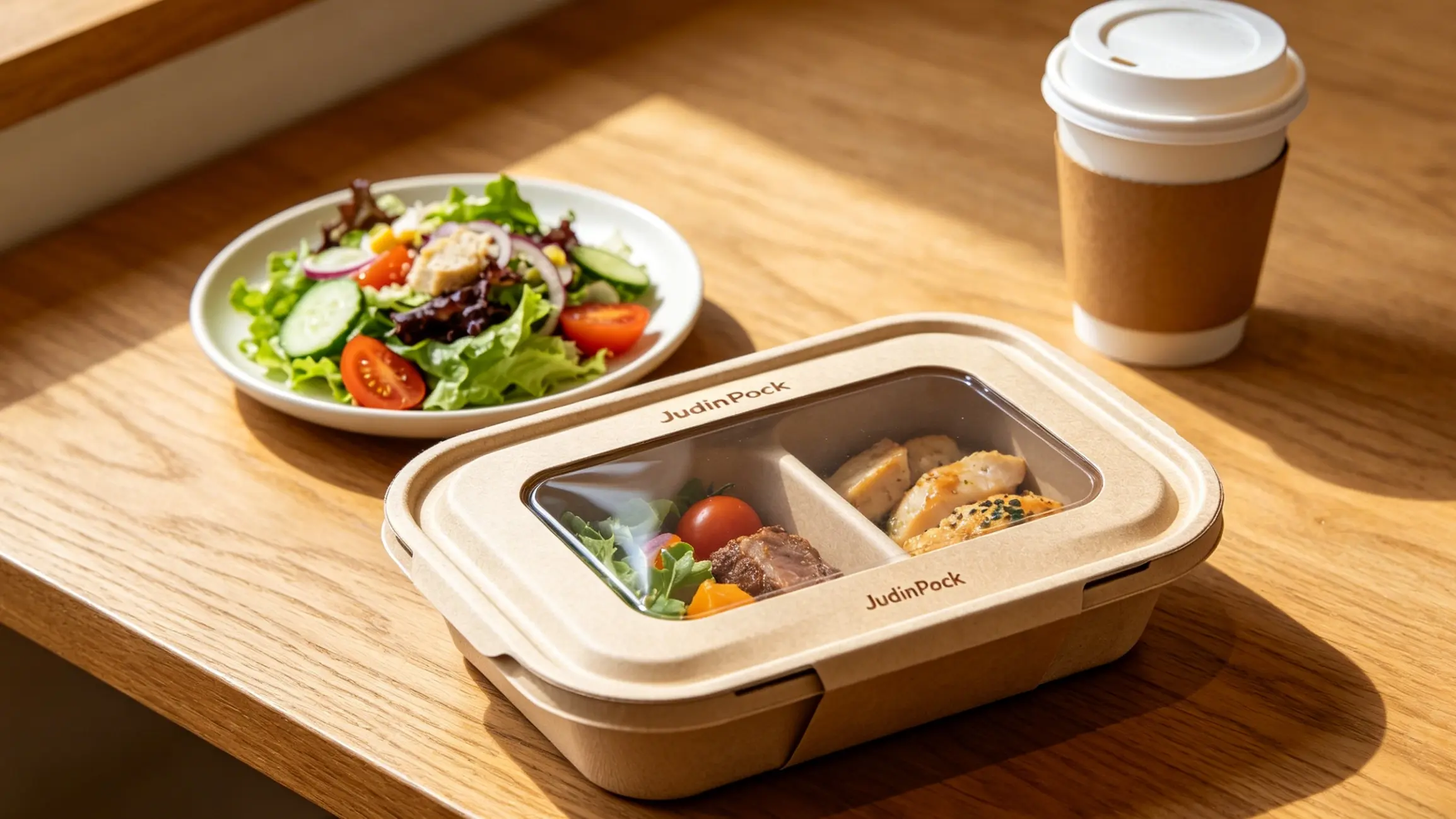
This trend is reflected in the product focus of JUDIN Packing, a Ningbo-based manufacturer whose official website presents the company as a specialized supplier of disposable food cups and containers for international markets. Its current product range includes: paper cups, noodle boxes, salad bowls, soup cups, take-out boxes, and paper bags. On its Made-in-China company profile, the business is also listed as a Manufacturer/Factory & Trading Company, with profile information marked as verified by CTI.


For global buyers, the takeaway is clear: data matters more than assumptions. Paper is not automatically the best option in every case, and plastic is not the same across every application. The lower-carbon choice depends on how a package is designed, used, transported, recovered, and integrated into a broader supply chain strategy. Companies that evaluate packaging through this full life-cycle lens will be in a stronger position to meet both market expectations and long-term sustainability goals.
To learn more about JUDIN’s food packaging solutions, visit the official website or view its Made-in-China storefront.
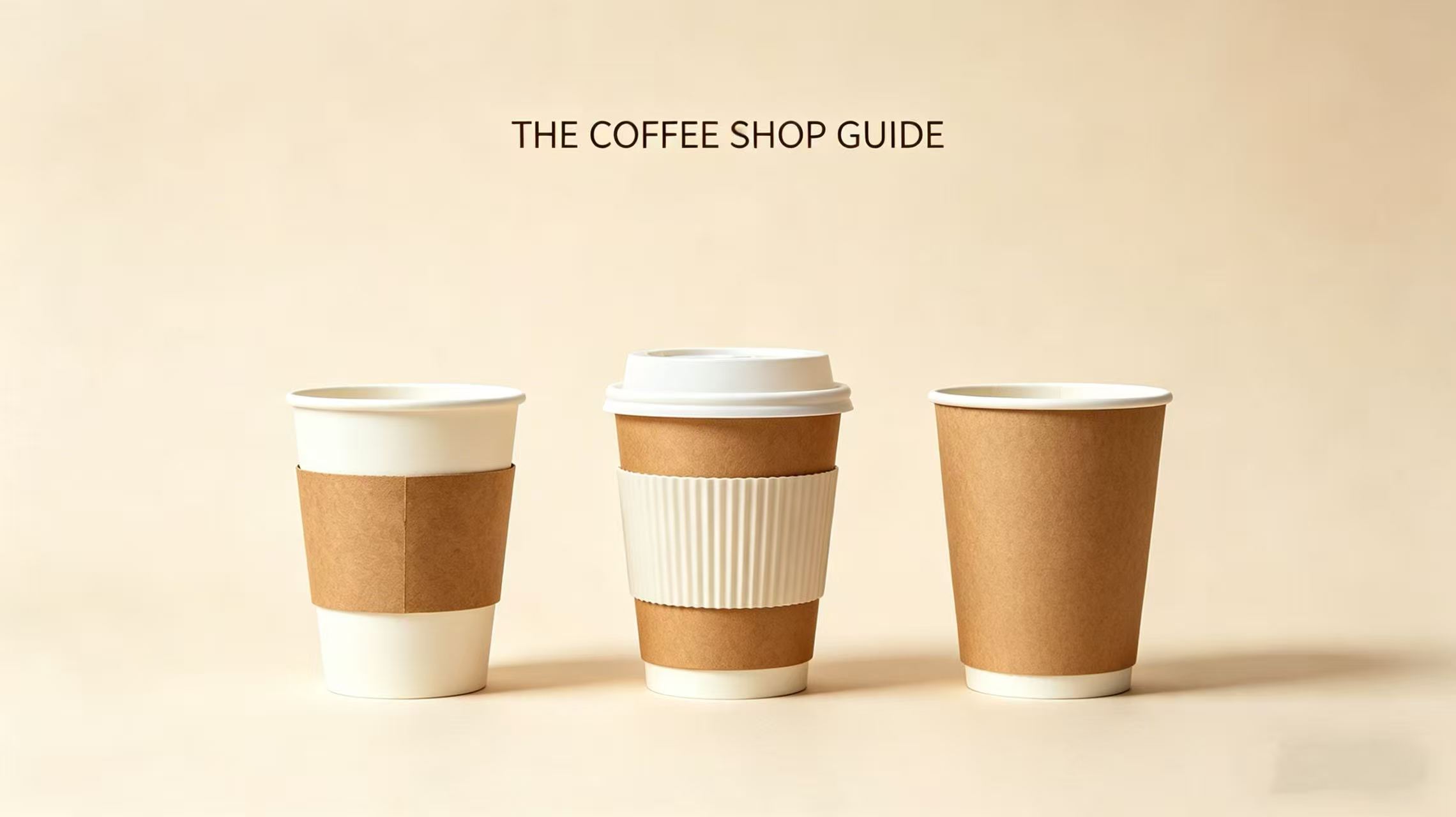
The Coffee Shop Guide: Choosing High-Quality, Heat-Insulated Paper Cups
Related Article