How to Choose Truly Sustainable Food Paper Packaging: A Complete Guide
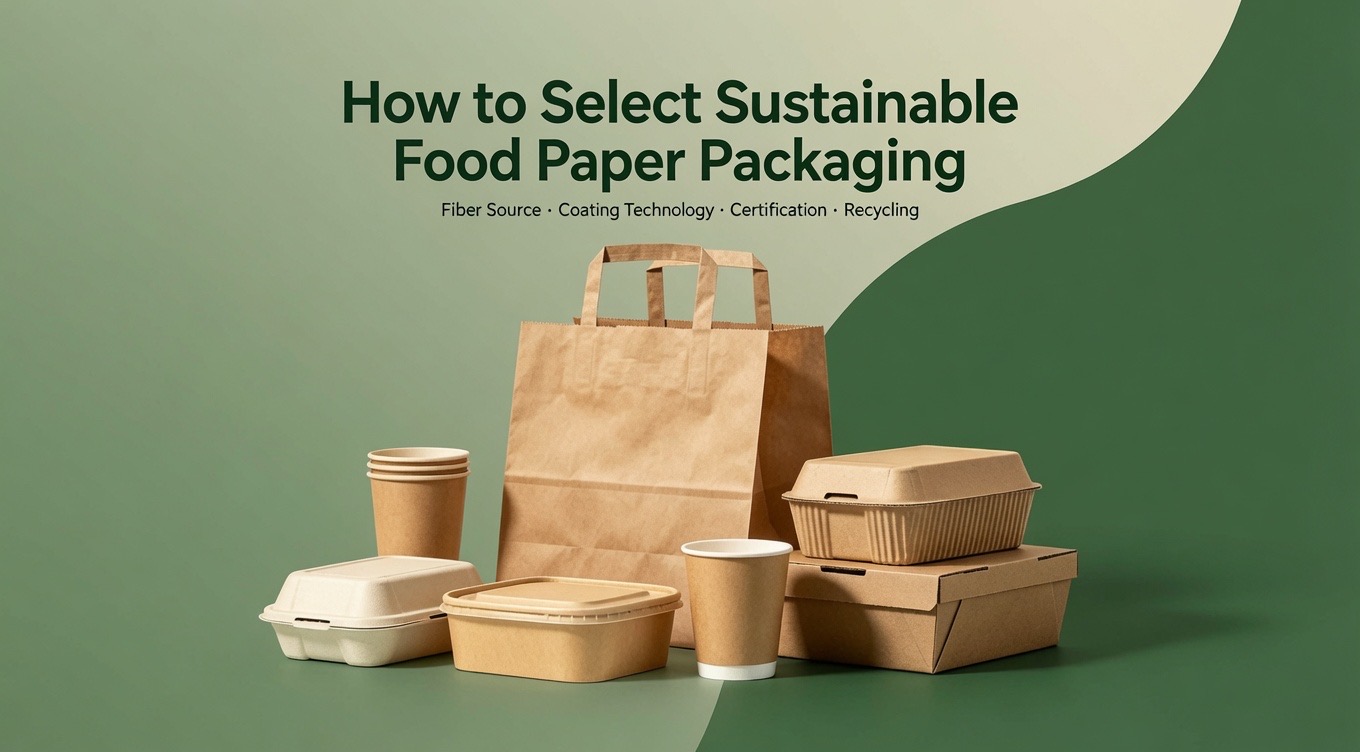


Priority should be given to packaging with responsibly sourced raw fiber materials. Premium sustainable paper packaging adopts FSC or PEFC-certified virgin kraft pulp, as well as high-quality recycled industrial fiber, effectively avoiding deforestation and irregular raw material supply. In addition to traditional wood pulp, innovative agricultural fiber materials have become a mainstream sustainable option. Sugarcane bagasse pulp, made from renewable agricultural waste, greatly reduces reliance on forest resources. Products made from bagasse, including food trays, salad bowls and takeaway containers, feature high temperature resistance and stable structural performance, perfectly catering to daily food packaging needs. Notably, recycled paper is ideal for outer packaging applications, while packaging for direct contact with oily, acidic, and high-temperature food must be equipped with complete food safety certification to ensure compliance.
Coating technology is the core criterion to distinguish genuine eco-friendly packaging from greenwashing. Traditional paper packaging with PE plastic lining forms a paper-plastic composite structure, which is difficult to recycle and cannot be composted, resulting in secondary environmental pollution. At present, advanced sustainable packaging solutions adopt two mainstream eco-coating technologies: PFAS-free water-based barrier coating and plant-based PLA coating. Water-based coated paper maintains excellent grease-proof and moisture-proof performance while supporting full recycling. PLA biodegradable coating fully complies with EU EN 13432 and U.S. BPI industrial composting standards, enabling rapid degradation in professional composting environments. Enterprises are advised to stay away from PFAS-treated greaseproof paper, as such persistent chemicals have been banned in the EU, North America and multiple regions due to their long-term harm to the ecological environment and human health.
Strict food contact compliance is an essential prerequisite for cross-border packaging trade. Sustainable food paper packaging must meet regional authoritative safety standards, including FDA 21 CFR in the United States, LFGB certification in Germany, and EU 1935/2004 food contact regulations. Unqualified packaging without complete test reports faces huge risks of customs detention, market removal and brand reputation loss. When sourcing packaging products, buyers should request full qualification documents, including substance migration test reports, heavy metal limit detection reports and detailed coating ingredient specifications.
Authoritative third-party certifications are the most credible basis for verifying sustainability. Vague promotional terms such as “eco-friendly” and “biodegradable” lack unified global recognition and cannot serve as evaluation standards. Reliable certifications include TÜV Austria OK Compost certification and North American BPI certification. Enterprises need to distinguish between industrial compostable and home compostable products according to the waste disposal infrastructure of target markets. For regions without complete industrial composting facilities, recyclable single-material paper packaging is the more practical and sustainable choice.
Sustainable packaging transformation never means sacrificing practical functionality for environmental benefits. High-quality sustainable paper packaging must match or even surpass the performance of traditional plastic packaging. Buyers need to inspect core indicators such as grease resistance, high-temperature tolerance, structural rigidity and sealing performance. For example, fried food packaging requires high-level oil resistance, while hot drink paper cups need stable leak-proof and heat-resistant properties to avoid product damage and user complaints.
Meanwhile, full-chain circularity should be taken into consideration. Lightweight packaging design effectively reduces carbon emissions during transportation. Water-based environmental printing and customized size optimization further lower the overall environmental footprint. Professional and responsible packaging manufacturers provide complete material traceability and continuous technical iteration support for sustainable packaging solutions.
focuses on the R&D and production of PFAS-free eco-friendly paper packaging and compostable tableware, including greaseproof paper packaging, biodegradable paper cups, kraft food bags and bagasse tableware. We provide customized one-stop sustainable packaging solutions that comply with global mainstream standards for worldwide clients.
Food Paper Packaging vs Plastic Packaging Which Is Better Today
Mobile Billboards: Why Custom Printed Packaging is Your Cheapest Marketing Tool.
Related Article