The Psychology of Color: How Paper Texture and Print Affect Appetite
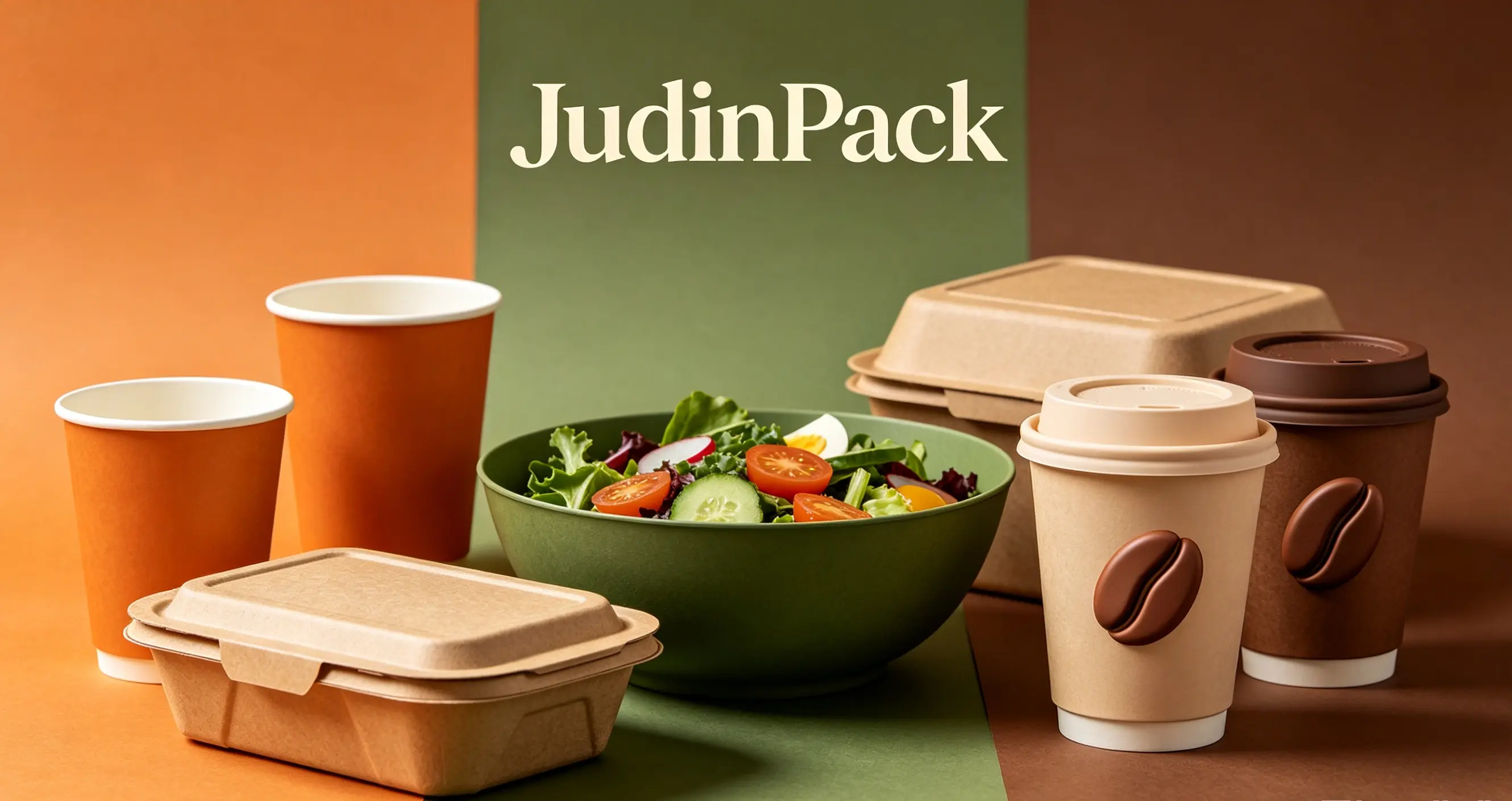
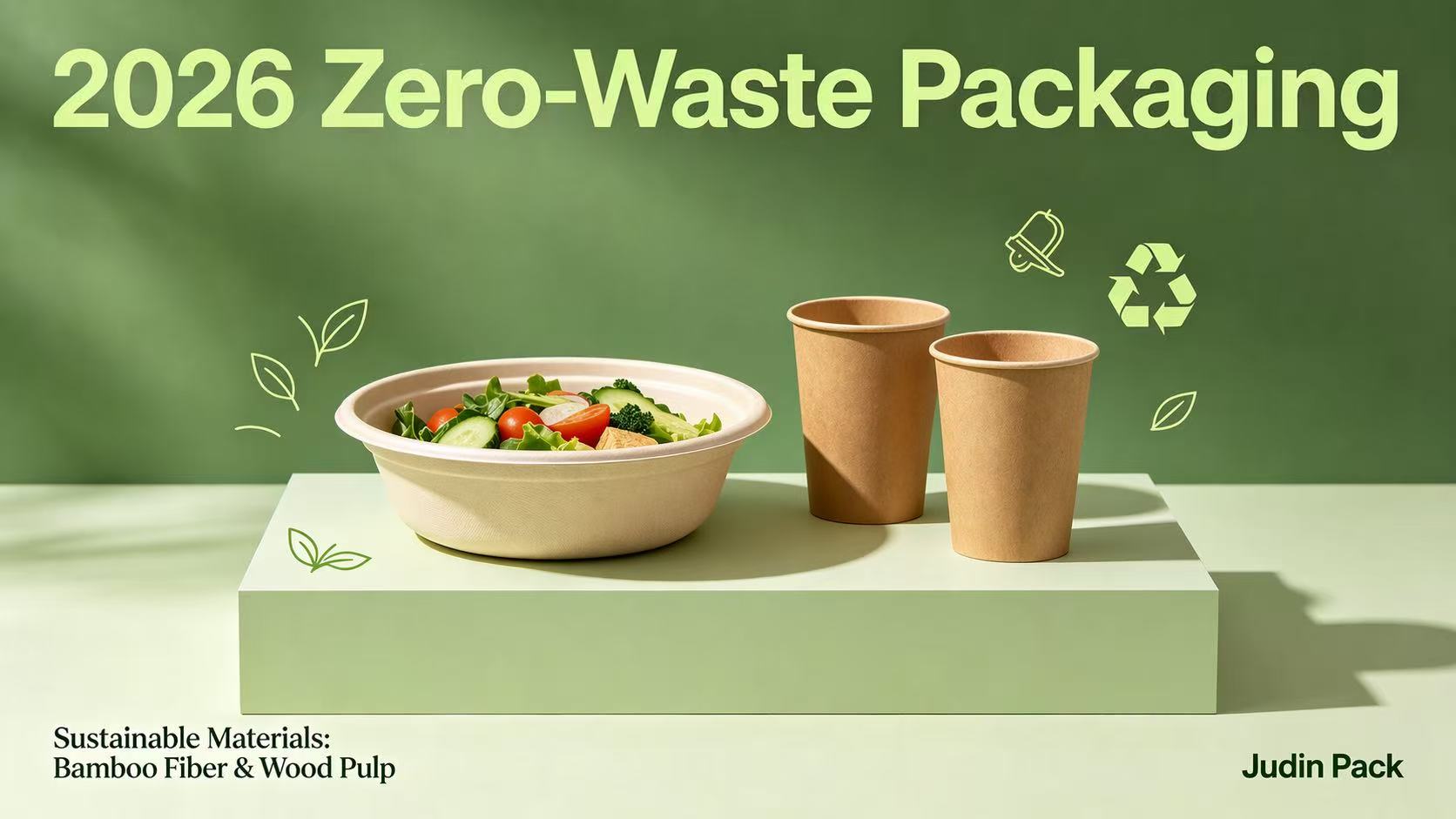
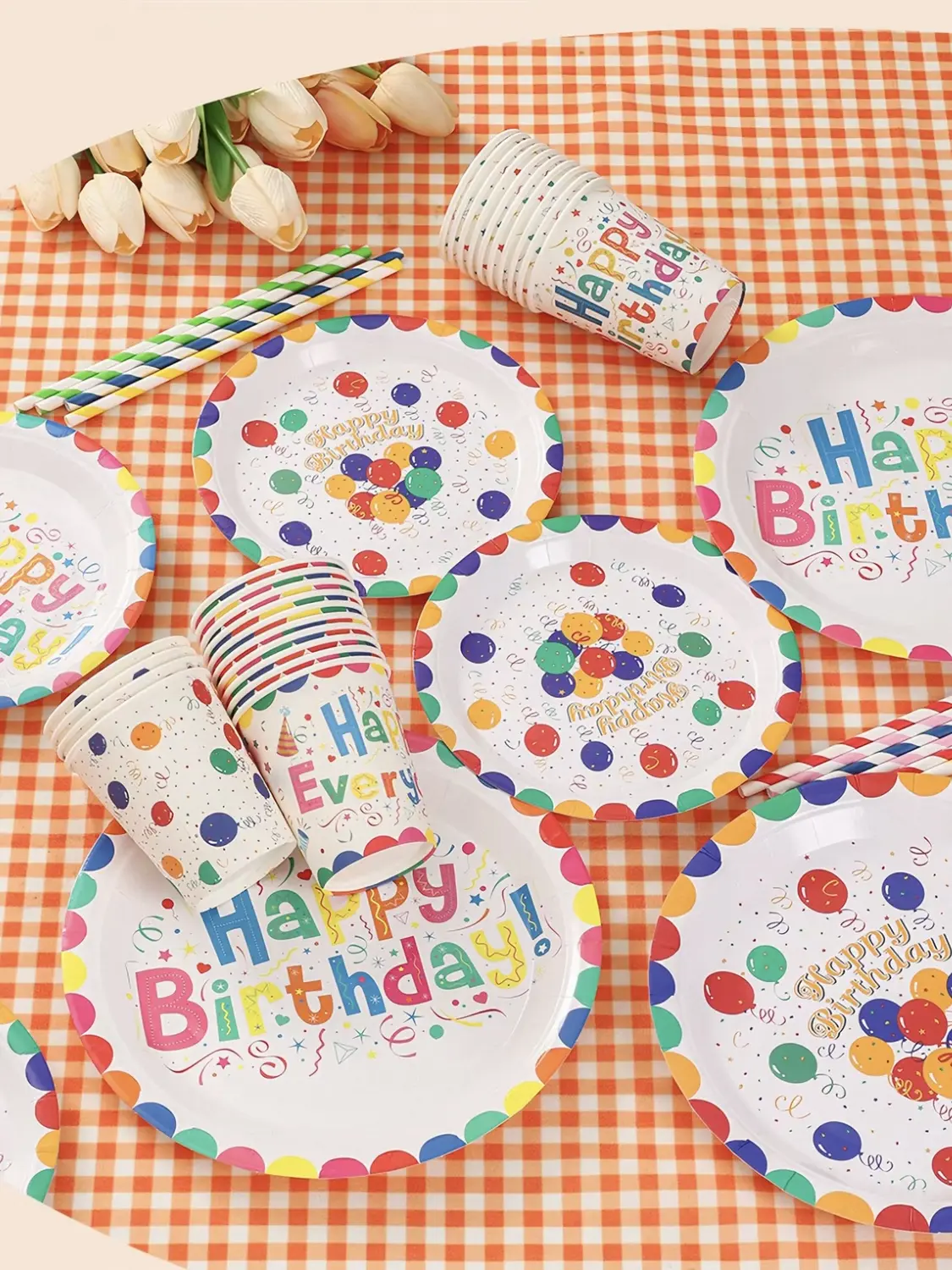
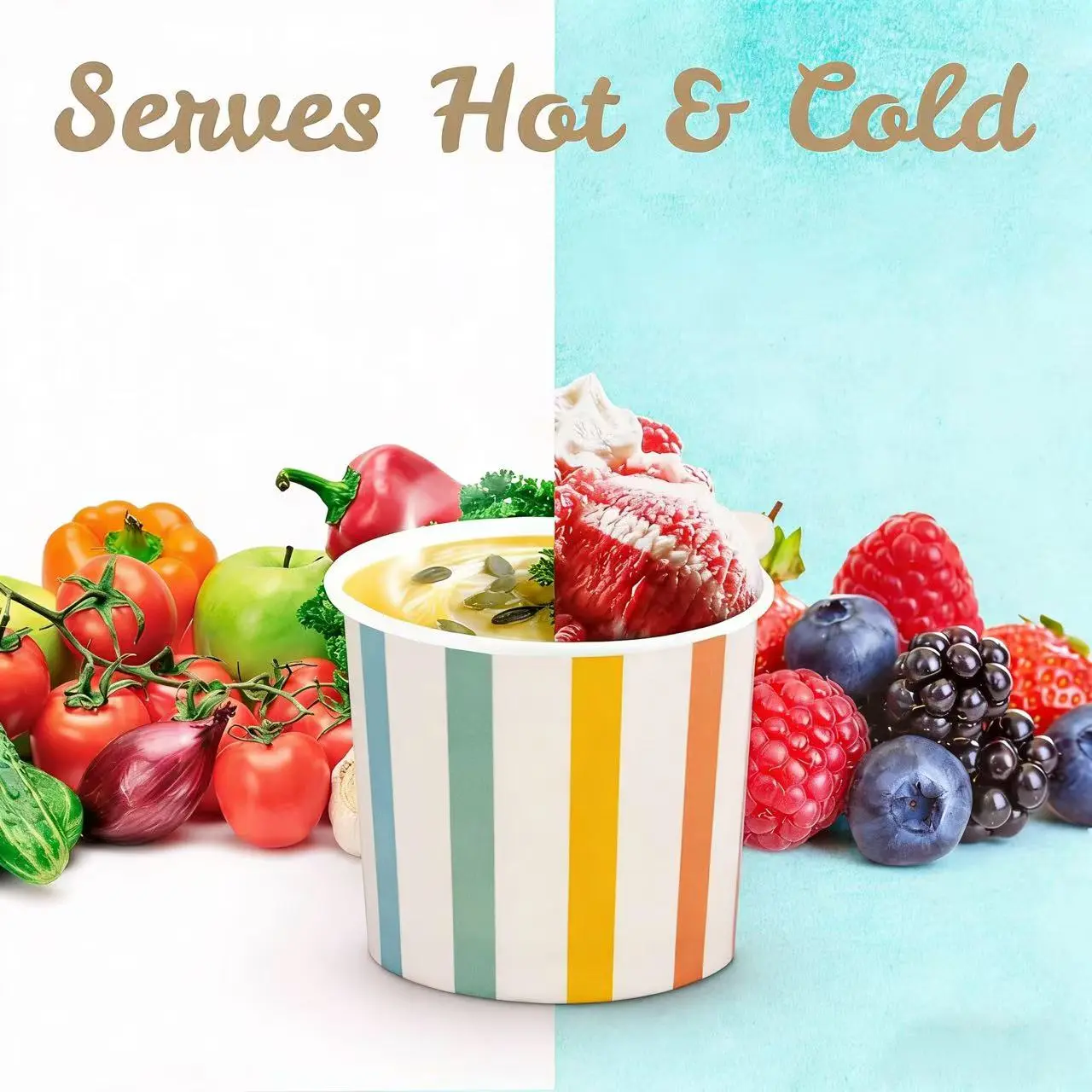
Color is the first visual signal that affects consumer perception. JudinPack’s professional design team combines the characteristics of different food categories to customize color schemes: warm colors such as orange and yellow are used for paper cups and ice cream cups to stimulate hunger and convey a sense of warmth; fresh green and light blue are applied to salad bowls and fruit packaging to highlight natural and healthy attributes; earthy tones are adopted for compostable food containers to echo the concept of environmental protection, which not only meets consumer aesthetic needs but also subtly guides purchasing decisions.
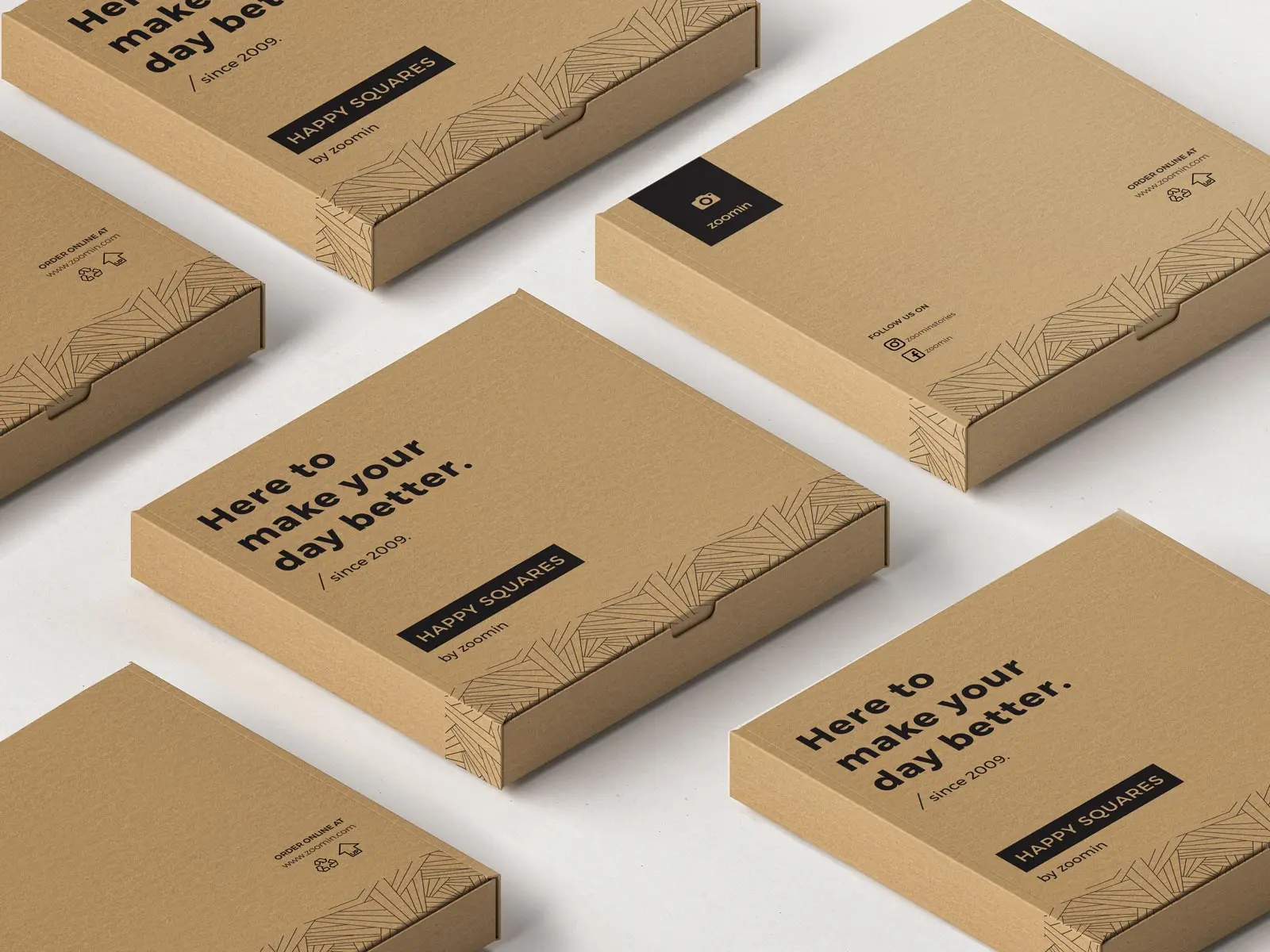
Paper texture, as a tactile experience that complements vision, further enhances the appeal of food packaging. JudinPack provides a variety of texture options for different products: the double-wall insulated paper cups are designed with embossed grip patterns, which not only prevent scalding but also bring a premium tactile feeling; the eco-friendly kraft paper Takeaway Boxes retain the natural fiber texture, highlighting the original and healthy positioning; the soft-touch matte finish is used for custom-printed packaging, increasing the sense of luxury and making consumers more willing to hold and experience.
Precision printing technology is the key to making packaging "arouse appetite". JudinPack adopts food-grade high-definition printing ink, which ensures bright colors and clear patterns without any harmful substances. For example, the 3D printed coffee bean patterns on custom paper cups enhance the sense of hierarchy and make the coffee aroma seem more intense; the photo-realistic food patterns on window takeaway boxes intuitively show the freshness of the food, stimulating consumers’ desire to taste.
All of JudinPack’s core products, including custom paper cups, ice cream paper cups, window takeaway boxes, compostable food containers and biodegradable packaging, integrate the above design concepts. These products not only meet international food safety certifications (EN13432, OK Compost) but also combine functionality with design, making packaging no longer a simple container but a bridge connecting brands and consumers.
The Future of Zero-Waste Packaging: Innovations to Watch in 2026
Multi-Scene Use: Paper Products for Parties, Restaurants and Events
Related Article